Depending on where you grew up, your family’s food preferences, and the foods available in the region of the world where you grew up, chances are that the very thought of the foods you grew up eating, cause you to have some sort ofemotional reaction. Whether you grew up in a large tight-knit family that included extended family gatherings or were part of a smaller family that had more intimate get-togethers, it is almost certain to have included some type of food. Although food is the fuel that is required by the body to function, food also provides pleasure and when shared with others, connection. There are many things that impact the foods we eat including the availability of certain foods in the area around where we live; the region of the country we live in; the individuals we choose to spend our time with; our current weight and level ofhealth; the cost of and our ability to pay for particular foods; our values, beliefs, and possibly religious influences; the emotional comfort we experience with certain foods; our personal preference, and many other factors (Sizer & Whitney, 2017).
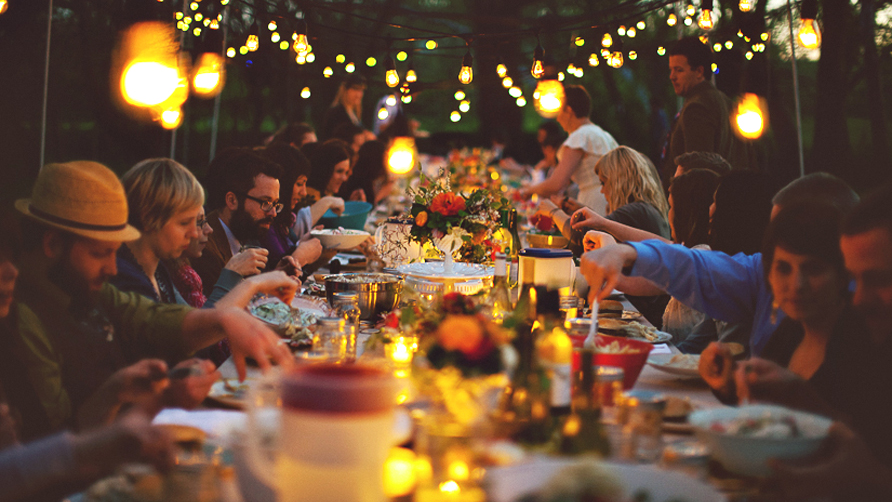
Socially, people eat what is around, often without much thought. The social aspect of gatherings often overshadows the foods being consumed. Other times, the opposite may be true: the social event revolved around the food being served. When individuals are spending time with others, making a connection, enjoying good food can make the experience better or cause it to be worse, simply based on the food that is served. When eating in a social situation, if some of the individuals are not known to you, you may choose to forego eating messy foods like tacos, or foods that might make your breath smell, like foods made with a lot of garlic. In these types of situations, more emphasis is put on the social aspect rather than the foods being served. On the other hand, if spending time with close friends and family, enjoying your favorite foods may take more of the focus because the social connection is already established.

If an individual is experiencing feelings of sadness, they may crave foods that they think will provide them with comfort, helping them to feel better (Sizer & Whitney, 2017). These are sometimes called “comfort foods”, meaning they bring comfort to the individual eating them. Some examples might include fresh warm cookies or a bowl of ice cream or a milkshake; some people crave foods that their mother or grandmother may have made for them when they were young; or a food shared between them and someone they consider special, providing good memories of past times together.

Physical needs can sometimes cause people to eat things they may not think they would ever eat, foods that they don’t really like or that don’t taste very good, and even things that are not considered food at all. Sometimes you will hear about a story where someone gets lost while on a hiking trip in the woods. Becoming lost or stranded can be a stressful situation for anyone to find themselves in, causing them to make desperate decisions while searching for safety. As time goes by without any source of food and being unsure if anyone will find them, the physical needs of the body begin to cause feeling of hunger and without any obvious normal choices of food around them, the hunger can begin to become magnified and begin to cause them to panic. The combination of the physical hunger that they are feeling, along with the emotional feeling of desperation finding themselves in a situation where they may or may not find help and get to safety, can cause people to find unconventional forms of food. While some kinds of grass or plants might be consumable and may help the feeling of hunger subside for a few minutes, as the body begins to tire and feel weak, they will begin to crave some form of protein which can provide them with some strength to continue searching for help. During desperate times like this, people who have found themselves in these types of situations have caught and eaten birds, rodents, snakes, and even bugs.
Even in situations that would not be considered desperate, but where time was short so there was no time to prepare a meal or sit down and eat because the schedule was too busy. In these situations, what to eat was not a priority, rather what was fast and convenient. When my children were younger, and each was involved in some sort of after school activity or sport, just getting them where they needed to be on time and with all of their necessary equipment, was a success. Many nights there was barely time for them to change their clothes, grab what they needed, and get in the car, eating dinner was simply not going to happen at home. On those nights, quickly stopping at a fast food restaurant may not have been a healthy choice, but it was either that or nothing, we chose to eat what we could. The food really didn’t taste good, but it provided some needed energy to make it through the couple of hours until we could make it back home, get everyone bathed or showered, homework got completed, and everyone got to bed at a descent time. For us, on these nights, fast convenient food was what we considered our only choice. While this lifestyle was by our own choice, the quality of the food we ate was not a priority. Other families chose to eat at home,but they chose either different activities for their children or no activities outside of homework and family time. These are some of the factors that show the different choices that people make, which affects their food choices.
References
Sizer, F. & Whitney, E. (2017). Nutrition: Concepts and controversies (14th ed.).Mason, OH: Cengage Learning. ISBN-13: 978-1-30563937-9, ISBN-10: 1-305-63937-5

No comments:
Post a Comment