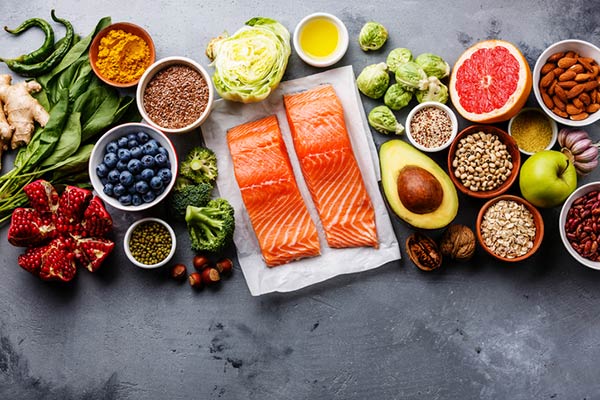
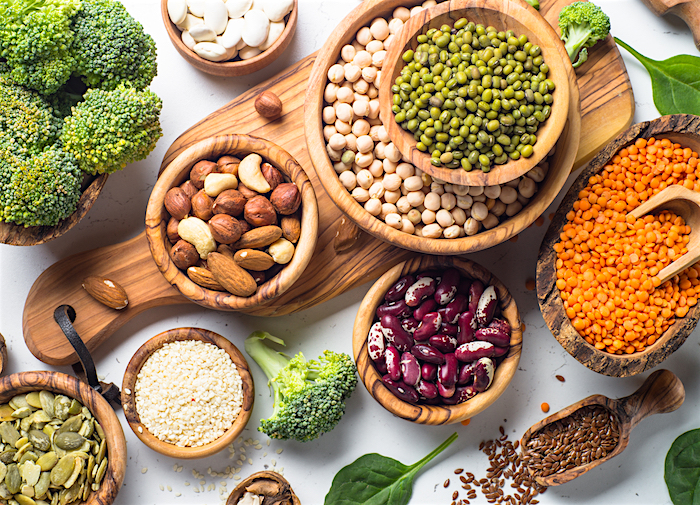
Carbohydrates or carbs provide the most efficient form of energy and are the fuel that the brain and central nervous system need to function properly. A single gram of carbs supplies the body with 4 calories, and it is recommended that 45-60% of your daily calories come from carbs. There are two forms of carbs: simple and complex.
Simple carbs are either a single molecule called a monosaccharide or made up of two molecules called a disaccharide. There are three kinds of monosaccharides: galactose or milk sugar, glucose or blood sugar, or fructose or fruit sugar (Nutrient Basics, 2005). Disaccharides are made up of two monosaccharides: one glucose and one other monosaccharide. A glucose combined with galactose makes lactose, a glucose combined with another glucose makes maltose, and a glucose combined with a fructose makes sucrose, also known as table sugar (Nutrient Basics, 2005). Simple sugars provide quick energy but doesn’t last long.
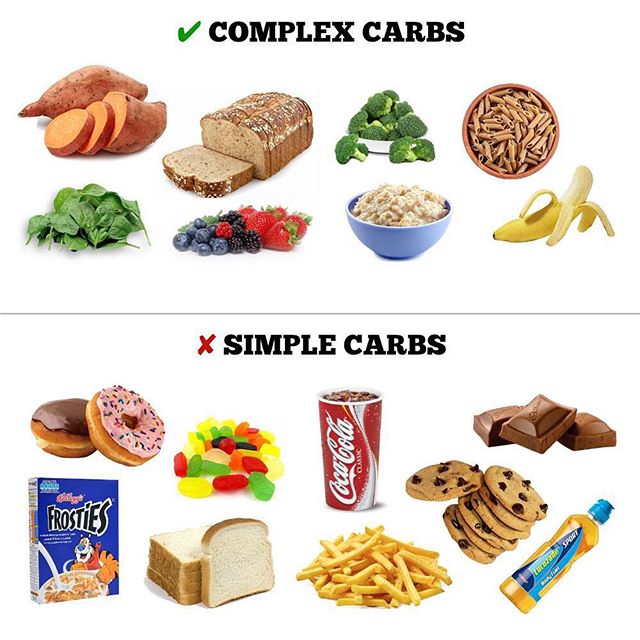
Complex carbs are made up of polysaccharides, meaning they are made up of many monosaccharides. They provide a slower form of energy that lasts longer. There are three categories of complex carbs: glycogen, which is the stored form of energy within the body; starches, which are a form of glucose stored in plants that we can then consume for energy; and fiber, the structural part of a plant that is not digestible by the body (Nutrient Basics, 2005).
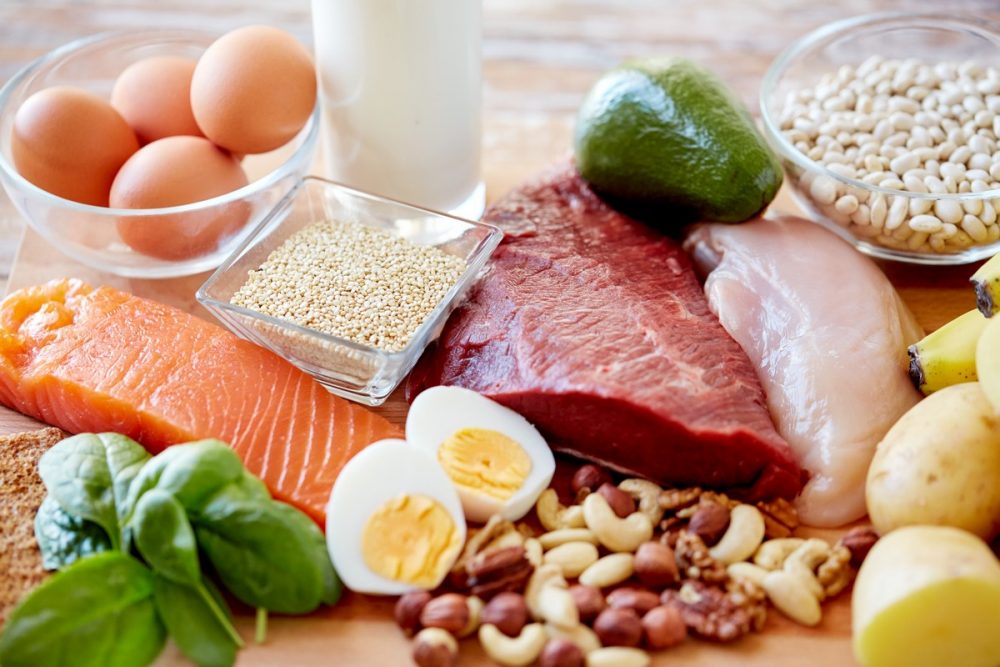
Proteins are made up of amino acids and are primarily used to repair, build, and maintain muscle throughout the body (Sizer & Whitney, 2017). Protein can be used for energy but only if there are not enough stored carbohydrates. Enzymes, a type of protein is a crucial part of digestion by causing chemical reactions (Nutrient Basics, 2005). One gram of protein provides 4 calories, and it is recommended that 15-20% of your daily intake of calories, comes from protein sources (Nutrient Basics, 2005). It is recommended that you consume 0.8 grams of protein for every kilogram of weight and a minimum of 40 grams. Proteins take more time to digest than carbohydrates and fats, causing a feeling of satiety.

Fats are made up of fatty acids and serve many purposes including providing insulation and padding for the vital organs of the body; they help with the absorption of Vitamins A, D, E, and K, also known as fat-soluble vitamins; provide a source of stored energy especially in emergency situations when the body becomes ill or has little or no food available; helps to regulate body temperature by forming an insulating layer under the skin; and can provide a feeling of satiety when ingested (Nutrient Basics, 2005). Fats provide 9 calories per gram and to maintain a healthy diet, no more than 30% of your daily caloric intake should come from fats. There are two main types of fats: saturated and unsaturated. Saturated fats are solid at room temperatures and primarily come from meats and dairy products, and contribute to increased levels of LDL cholesterol, also known as the “bad” cholesterol. Unsaturated fats tend to be in the form of a liquid at room temperature and are considered healthy to consume. Unsaturated fats can be found in fish, nuts, olive oil, and avocados.


Lastly, neither a macronutrient or micronutrient, but equally important,water is considered the last of the six nutrients. Water is arguably the most important nutrient since our bodies are made up of approximately 65% water, including every cell in the body. Without adequate amounts of water, an individual will die. Water is responsible for temperature regulation of the body, digestion of food and elimination of waste, the absorption of nutrients, and transfer, excretion, and circulation of nutrients (Sizer & Whitney, 2017). Without essential nutrients, the body will quickly develop deficiencies and suffer from symptoms of malnutrition. Alcohol is not considered a nutrient but can have negative effects on the healthy function of nutrients within the body, so it should be considered when discussing nutrient intake. Consumption of alcohol can interfere with growth, repair, and maintenance of bodily tissue (Sizer & Whitney, 2017).
References
Nutrient basics [Video file]. (2005). Retrieved January 20, 2019, fromhttps://digital.films.com/PortalPlaylists.aspx?wID=100753&xtid=41204
Sizer, F. & Whitney, E. (2017). Nutrition: Concepts and controversies (14th ed.).Mason, OH: Cengage Learning. ISBN-13: 978-1-30563937-9, ISBN-10: 1-305-63937-5

No comments:
Post a Comment