Wednesday, January 23, 2019

Macronutrients and Micronutrients

Macronutrients are the name given to the compounds that make up the majority ofthe human diet and provide the primary source of energy to the body and mind.  Specifically, macronutrients include proteins, carbohydrates, and fats.  

Carbohydrates or carbs provide the most efficient form of energy and are the fuel that the brain and central nervous system need to function properly. A single gram of carbs supplies the body with 4 calories, and it is recommended that 45-60% of your daily calories come from carbs. There are two forms of carbs: simple and complex.  
Simple carbs are either a single molecule called a monosaccharide or made up of two molecules called a disaccharide. There are three kinds of monosaccharides: galactose or milk sugar, glucose or blood sugar, or fructose or fruit sugar (Nutrient Basics, 2005). Disaccharides are made up of two monosaccharides: one glucose and one other monosaccharide. A glucose combined with galactose makes lactose, a glucose combined with another glucose makes maltose, and a glucose combined with a fructose makes sucrose, also known as table sugar (Nutrient Basics, 2005). Simple sugars provide quick energy but doesn’t last long.  
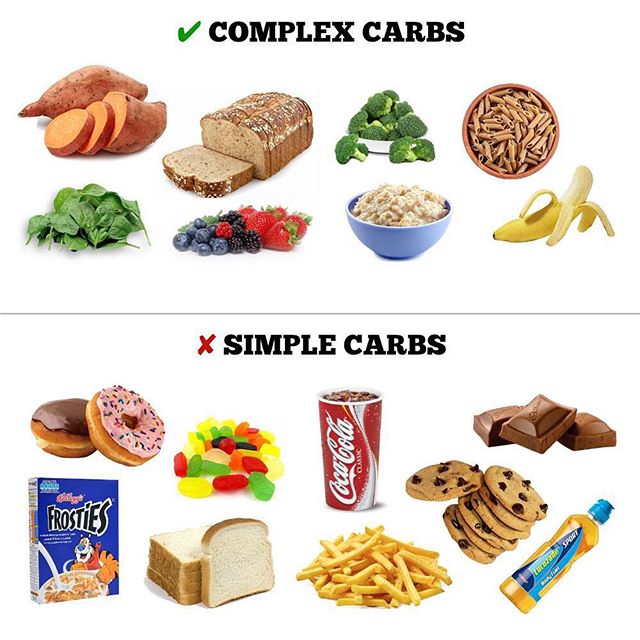
Complex carbs are made up of polysaccharides, meaning they are made up of many monosaccharides. They provide a slower form of energy that lasts longer. There are three categories of complex carbs: glycogen, which is the stored form of energy within the body; starches, which are a form of glucose stored in plants that we can then consume for energy; and fiber, the structural part of a plant that is not digestible by the body (Nutrient Basics, 2005).  
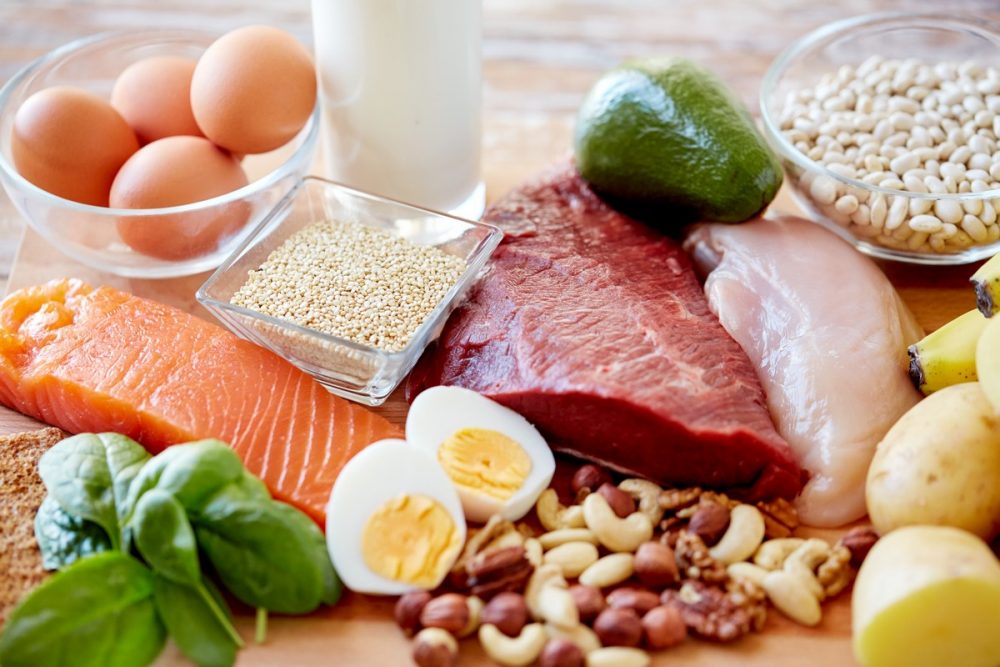
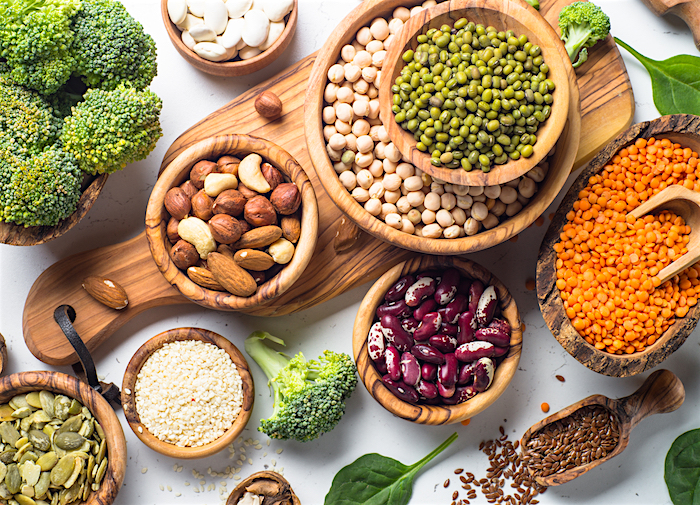
Proteins are made up of amino acids and are primarily used to repair, build, and maintain muscle throughout the body (Sizer & Whitney, 2017). Protein can be used for energy but only if there are not enough stored carbohydrates. Enzymes, a type of protein is a crucial part of digestion by causing chemical reactions (Nutrient Basics, 2005). One gram of protein provides 4 calories, and it is recommended that 15-20% of your daily intake of calories, comes from protein sources (Nutrient Basics, 2005). It is recommended that you consume 0.8 grams of protein for every kilogram of weight and a minimum of 40 grams. Proteins take more time to digest than carbohydrates and fats, causing a feeling of satiety.  


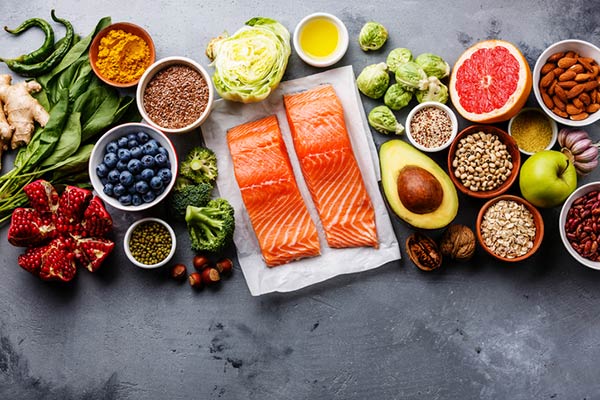
Fats are made up of fatty acids and serve many purposes including providing insulation and padding for the vital organs of the body; they help with the absorption of Vitamins A, D, E, and K, also known as fat-soluble vitamins; provide a source of stored energy especially in emergency situations when the body becomes ill or has little or no food available; helps to regulate body temperature by forming an insulating layer under the skin; and can provide a feeling of satiety when ingested (Nutrient Basics, 2005). Fats provide 9 calories per gram and to maintain a healthy diet, no more than 30% of your daily caloric intake should come from fats. There are two main types of fats: saturated and unsaturated. Saturated fats are solid at room temperatures and primarily come from meats and dairy products, and contribute to increased levels of LDL cholesterol, also known as the “bad” cholesterol.  Unsaturated fats tend to be in the form of a liquid at room temperature and are considered healthy to consume. Unsaturated fats can be found in fish, nuts, olive oil, and avocados.    
Micronutrients are made up of vitamins and minerals. Vitamins and minerals are present in very small amounts and unlike macronutrients, do not provide energy to the body. Instead, they act as bodily regulators and are also responsible for many other functions in the body which include digestion, movement of muscles, elimination of waste, and healing wounds, to name a few (Sizer & Whitney, 2017).  
Lastly, neither a macronutrient or micronutrient, but equally important,water is considered the last of the six nutrients. Water is arguably the most important nutrient since our bodies are made up of approximately 65% water, including every cell in the body. Without adequate amounts of water, an individual will die. Water is responsible for temperature regulation of the body, digestion of food and elimination of waste, the absorption of nutrients, and transfer, excretion, and circulation of nutrients (Sizer & Whitney, 2017). Without essential nutrients, the body will quickly develop deficiencies and suffer from symptoms of malnutrition.  Alcohol is not considered a nutrient but can have negative effects on the healthy function of nutrients within the body, so it should be considered when discussing nutrient intake. Consumption of alcohol can interfere with growth, repair, and maintenance of bodily tissue (Sizer & Whitney, 2017). 

References  
 Nutrient basics [Video file]. (2005). Retrieved January 20, 2019, fromhttps://digital.films.com/PortalPlaylists.aspx?wID=100753&xtid=41204
Sizer, F. & Whitney, E. (2017). Nutrition: Concepts and controversies (14th ed.).Mason, OH: Cengage Learning. ISBN-13: 978-1-30563937-9, ISBN-10: 1-305-63937-5 

Personal Diet Plan

          Based on my own dietary strengths and weaknesses, I consume much more sugar than I should and not enough milk and lean proteins; I also probably consume more refined grains and sodium than the minimum recommended amounts. However, I do not consume an excessive number of calories and I stay away from trans fats and most saturated fats. 
           Based on BMI, I would probably be considered either close to being overweight or on the low end of being overweight. My weight, however, does not bother me. I am much more concerned with my fat mass, and I know my body well enough to know that I am carrying more fat than I am comfortable carrying. 
          While I know the habits I should be implementing and the foods I should and should not be eating, I still struggle like most others who have very busy schedules. 
          At this phase in my life, I work 50-60 hours a week, I am taking a course through work, one night a week, and I am enrolled in classes at Ashford, working toward finally completing my Bachelor's Degree. While I am very proud of myself, I have been keeping this schedule up for two years now and I am struggling as I see the end nearing. 
          I am a very hard worker and do not cut corners, however, that often keeps me from taking care of myself. I do not get much sleep, I do not eat right, I have not been to the gym in months (which used to be one of my favorite things to do for myself) and my house is...ugh, let's just say my Christmas tree is still up.  
          I absolutely love healthy foods, but if I do not take the time to prepare ahead of time, I am not good about taking the time I need to make what I know I should eat. 
          I love the subject of nutrition and have loved this class. It has reminded me of the passion I have for healthy eating and especially for teaching others about it. One of the big pieces I am missing right now is practicing what I preach, which I never feel good about. It has always been very important for me to be an example of those things that I try to help and teach others, whether it is my children or clients. This is where I get my motivation. 
         I am thankful to have taken this class and been reminded once again that I need to make healthy eating a priority. Life continues to move quickly so if I don't do it now, I will continue to make excuses. 
          My plan is to get back to my old habits of planning out my food for the upcoming week, scheduling my grocery shopping, and spending time prepping my food. 
          I need to recommit to eating the foods that I love like fish, chicken, and fresh vegetables. I need to cut back on the sugar intake and quick, unhealthy food choices. 


Nutritional Requirements Across the Lifespan

Pregnancy:   
          Pregnancy is a time when healthy nutritional habits are crucial to both the mother’s health and the developing fetus. Women are encouraged to change any bad eating habits prior to becoming pregnant in order to ensure that during the first stages of pregnancy, when development of the embryo is rapid and extremely important to the health and development of the embryo. The healthy development of the placenta also depends upon the health of the mother (Sizer & Whitney, 2017).  Specific nutritional recommendations are slightly different for each trimester and if lactating after birth. In the first trimester, there is no need for additional calories, although the consumption of healthy foods is imperative. During the second and third trimesters, an increase in calories is recommended. During the second trimester, approximately 340 additional calories are recommended, and 450 additional calories during the third trimester (Sizer & Whitney, 2017).   
The recommended amount of carbohydrates are at least 135 grams, but the ideal amount is around 175 grams (Sizer & Whitney, 2017). This ensures that the mother has enough energy to keep the body from using protein for energy, which is necessary for the growth of the fetus. The best carbohydrates include whole grains, vegetables-especially those that are dark green, fruits, and legumes (Sizer & Whitney, 2017). Micronutrients are also very important to both the fetus and the mother. Often pregnant women will become constipated, so ample amounts of fiber are also recommended (Sizer & Whitney, 2017).    
          As stated above, protein is extremely important to the healthy growth and development of the fetus. These would come from foods such as meats, eggs, fish, nuts, and low-fat dairy products. Compared to a nonpregnant woman, a pregnant woman requires about 25 more grams of protein daily (Sizer & Whitney, 2017).   
          Healthy fats are essential to the brain development and proper growth of the fetus (Sizer & Whitney, 2017). The fats that are especially important are long chain Omega 3’s and 6’s, which can be found in fish, nuts, and healthy oils like olive oil.   
There are two vitamins that have been found to have a profoundly positive impact on the development of the growing fetus; those are Folate and Vitamin B12. During pregnancy the mother requires approximately 400-600 additional micrograms of folate to accommodate the increase in her blood volume, and prevention of neural tube defects (Sizer & Whitney, 2017). Some of the foods that contain folate are liver, orange juice, broccoli, asparagus, avocado, and egg yolks (BanjariMatoković, & Å koro, 2014, p 318). Foods that contain B12 include meats, dairy products, seafood, and eggs (Sizer & Whitney, 2017).   

Infancy (birth-12 months):   
          We grow faster during infancy than at any other time in our lives, which is why nutritional intake is so important (Sizer & Whitney, 2017). Nutrition experts along with the Academy of Nutrition and Dietetics (AAP) recommend that infants eat exclusively breast milk for the first 6 months of life. Breast milk contains the nutrients that infants need to grow and be healthy and is more easily digested than formula (Sizer & Whitney, 2017). Breast milk is much higher in fat than protein, which provides them with their primary source of energy; the combination of nutrients contained in breast milk are based on the unique needs of infants.   
Healthy infants eat approximately every 2-3 hours during the first few weeks of life and as they get older and their stomach capacity increases, the mother’s milk production also increases in order to meet the needs of the baby.   
The micronutrient needs of an infant for certain vitamins are 4 to 8 times as much per pound than an adult; those micronutrients include vitamins A, D, E, C, and Iodine (Sizer & Whitney, 2017).  

Childhood (toddlers: 13-24months); preschoolers: (25 mo-5 yo); (school aged children: 6yo-12yo)  
          The nutritional needs of children change at each stage of early life. Unlike infants, children have unique nutritional needs. The caloric needs of a one-year old is approximately 800 calories per day. As the body of a toddler continues to grow and develop, the body requires a high amount of nutrients to help with the development of healthy, muscle tissue. By the time the child is 6 years old their caloric needs are approximately 1600 calories per day (Sizer & Whitney, 2017). Throughout childhood, there are times when children will seem to be constantly hungry and other times when they don’t seem to be eating enough. This is a natural occurrence as the body goes through periods of rapid growth, sometimes called “growth spurts”, and other times when the body is not growing as quickly (Bégin & Aguayo, 2017). During the growth spurts, children may require much more food, supplying the body with the additional nutrients necessary to sustain healthy development. Ensuring that children eat healthy, nutrient dense foods is extremely important to their growth and development. By the age of 10 a child’s caloric needs increase slightly to 1800 calories per day (Sizer & Whitney, 2017). However, depending on the amount of physical activity, children may requiremore or less calories

   
Adolescence (13-18yo):  
          When a child reaches adolescence, their nutrient needs again change. As their bodies may be still growing, the speed at which it is growing is significantly slower than during infancy and childhood. As teenagers become more independent, begin playing sports regularly, start working, and are more involved with friends and household chores, their nutritional needs often begin to become less healthy. They are often extremely busy and don’t take the time to prepare food in advance, and because of that, tend to make less healthy choices like fast food and foods with little nutritional value but high amounts of sugar and saturated or trans fats. A 15-year-old, active growing boy may require as many as 3,500 calories per day just to maintain his weight; a 15-year-old inactive girl may require less than 1,800 calories per day (Sizer & Whitney, 2017). Adolescents also tend to choose high caloric beverages. Their food choices at this age have a direct effect on their health. As they make less than healthy food choices, get less sleep, and are involved in lots of activities, their immune systems weaken, and they are more prone to sickness.  This also affects their ability to think clearly and sustain high levels of physical activity.


Adulthood:  
          As an individual reaches adulthood, their body may be done growing and their nutritional needs vary greatly by individual, based on genetic factors, activity levels, and their medical history. Adulthood brings responsibility and stress, which can affect sleep patterns, eating patterns, etc. Choices made as a young adult, affect an individual’s health as they age. Smoking and consumption of alcohol can have a negative impact on an individual’s physical and mental health. Living a sedentary lifestyle and consuming foods that are high in calories but low in nutrients leads to weight gain, causing a greater chance of chronic illnesses like type II diabetes, heart disease, depression, sleep apnea, and many others. To maintain muscle mass, which keeps metabolism higher, requires adequate amounts of protein. To prolong good health, an individual that consumes foods high in nutrients and low in added sugars and unhealthy fats, can keep the body functioning at a higher level, including physical activity, eyesight, flexibility, strength, etc.   
  
References  

Banjari, I., Matoković, V., & Å koro, V. (2014). The question is whether intake of folic acid from diet alone during pregnancy is sufficient. Medicinski Pregled, 67(9–10), 313–321. Retrieved from http://library.ashford.edu/EzProxy.aspx?url=http://search.ebscohost.com.proxy-library.ashford.edu/login.aspx?direct=true&AuthType=ip,cpid&custid=s8856897&db=cmedm&AN=25546978&site=ehost-live  


Bégin, F., & Aguayo, V. M. (2017). First foods: Why improving young children’s diets matter. Maternal & Child Nutrition, 13, n/a-N.PAG. https://doi-org.proxy-library.ashford.edu/10.1111/mcn.12528


Sizer, F. & Whitney, E. (2017). Nutrition: Concepts and controversies (14th ed.). Mason, OH: Cengage Learning. ISBN-13: 978-1-30563937-9, ISBN-10: 1-305-63937-5  


Digestion, Absorption, and Metabolism of Macronutrients

          The digestive system, also known as the gastrointestinal or GI system is made up of several organs within the body that work together to break food down into smaller, more easily absorbed nutrients (Sizer & Whitney, 2017). Foods are divided into two main categories: macronutrients and micronutrients, which are made up of proteins, carbohydrates, fats, and vitamins and minerals. The process of digestion assists the body with ensuring that each of the nutrients is delivered to the area of the body where it is needed and used, to help it function optimally (Sizer & Whitney, 2017).  
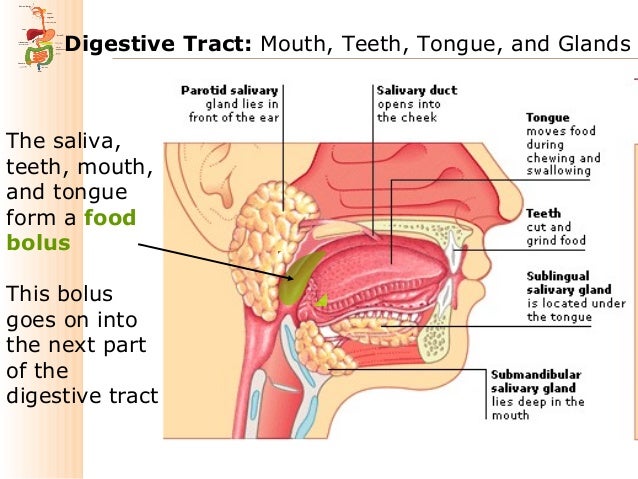
The process of digestion begins with the introduction of food into the mouth and ends with the excretion of waste from the anus. When food enters the mouth, the process of digestion begins; the teeth, tongue, roof of the mouth, lips, and cheeks work together to begin the mechanical breakdown of food where food is broken into pieces by the act of chewing; saliva mixes with the food beginning a chemical reaction, causing the food to form into a ball known as the bolus (Crash Course, 2012). From the mouth, the bolus is then pushed through the parts of the pharynx, located in the back of the throat, down the esophagus by a series of muscle contractions and into the stomach (Sizer & Whitney, 2017).   

          The next phase of digestion begins in the stomach where additional digestive enzymes and acids are added to the bolus to further liquify and break it down.When the contents of the stomach are sufficiently processed, they are released into the small intestine (Johnstone, Hendry, Farley, & McLafferty, 2014).  
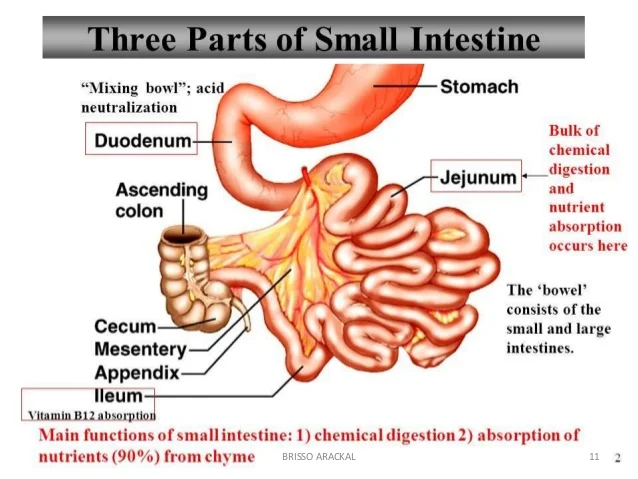
The small intestine is approximately 22 feet long and is made up of three segments: the duodenum, the jejunum, and the ileum (Johnstone, Hendry, Farley, & McLafferty, 2014). The duodenum is primarily responsible for the continued breakdown of the bolus, while the jejunum and ileum are responsible for the absorption of nutrients and delivery to the bloodstream. During this phase of digestion, enzymes are released from the pancreas to help with the digestion of macronutrients. The pancreas also produces insulin to help with the metabolism of sugar (Johnstone, Hendry, Farley, & McLafferty, 2014). The liver primarily processes nutrients that are absorbed by the small intestine, but it also secretes bile to assist with the digestion of fats and helps filter out toxins such as medications or alcohol. Finally, the gall bladder releases bile to further assist with the digestion and absorption of fats (Johnstone, Hendry, Farley, & McLafferty, 2014). At this point, what started out as a partially solid mass, has become more of a liquid which contains bile, enzymes, and water. Once the nutrients have been absorbed, the liquid that is left, then passes through to the large intestine (Hendry, Farley, McLafferty, & Johnstone, 2014).  
The large intestine or colon, is approximately 6 feet long and connects the small intestine to the rectum. The colon is made up of five main sections: the ascending colon which includes the cecum and appendix, the transverse colon, the descending colon, the sigmoid colon, and the rectum (Hendry, Farley, McLafferty, & Johnstone, 2014). The main function of the large intestine is to process waste and excrete waste. As the liquid passes into the colon from the small intestine, the water begins to be absorbed by the walls of the colon, ultimately forming into a solid form, called stool. The entire process that the process takes in the forming of stool is approximately 36 hours (Hendry, Farley, McLafferty, & Johnstone, 2014). Once the descending colon becomes full of stool, the contractions of the muscles from within the lower part of the colon begin pushing the stool to the rectum, which is usually when the person is alerted to the fact that there is stool that needs to be eliminated (Hendry, Farley, McLafferty, & Johnstone, 2014). The final part of digestion involves the actual elimination of the stool from the rectum through the anus and into the toilet.   

  
References 
Crash Course. (2012). The digestive system: Crashcourse biology #28 [Video file].  
         Retrieved from http://www.youtube.com/watch?v=s06XzaKqELk 

Hendry, C., Farley, A., McLafferty, E., & Johnstone, C. (2014). The digestive system: part  2. Nursing Standard, 28(25), 37–44. https://doi-org.proxy 
           library.ashford.edu/10.7748/ns2014.02.28.25.37.e7459 

Johnstone, C., Hendry, C., Farley, A., & McLafferty, E. (2014). The digestive system: part  
          1. Nursing Standard, 28(24), 37–45. https://doi-org.proxy 
           library.ashford.edu/10.7748/ns2014.02.28.24.37.e7395   

Sizer, F. & Whitney, E. (2017). Nutrition: Concepts and controversies (14th ed.). Mason, OH:  
          Cengage Learning. ISBN-13: 978-1-30563937-9, ISBN-10: 1-305-63937-5